
Location & Geography
The Andes form the entire western spine of South America, running unbroken along continent’s Pacific coast from north to south. At their widest, across Bolivia and northern Chile, the range splits into parallel cordilleras — the Occidental to the west and the Oriental to the east — enclosing the Altiplano: a vast high-altitude plateau at around 3,800 meters, stretching nearly 1,000 kilometers from north to south and home to some of the driest terrain on earth.
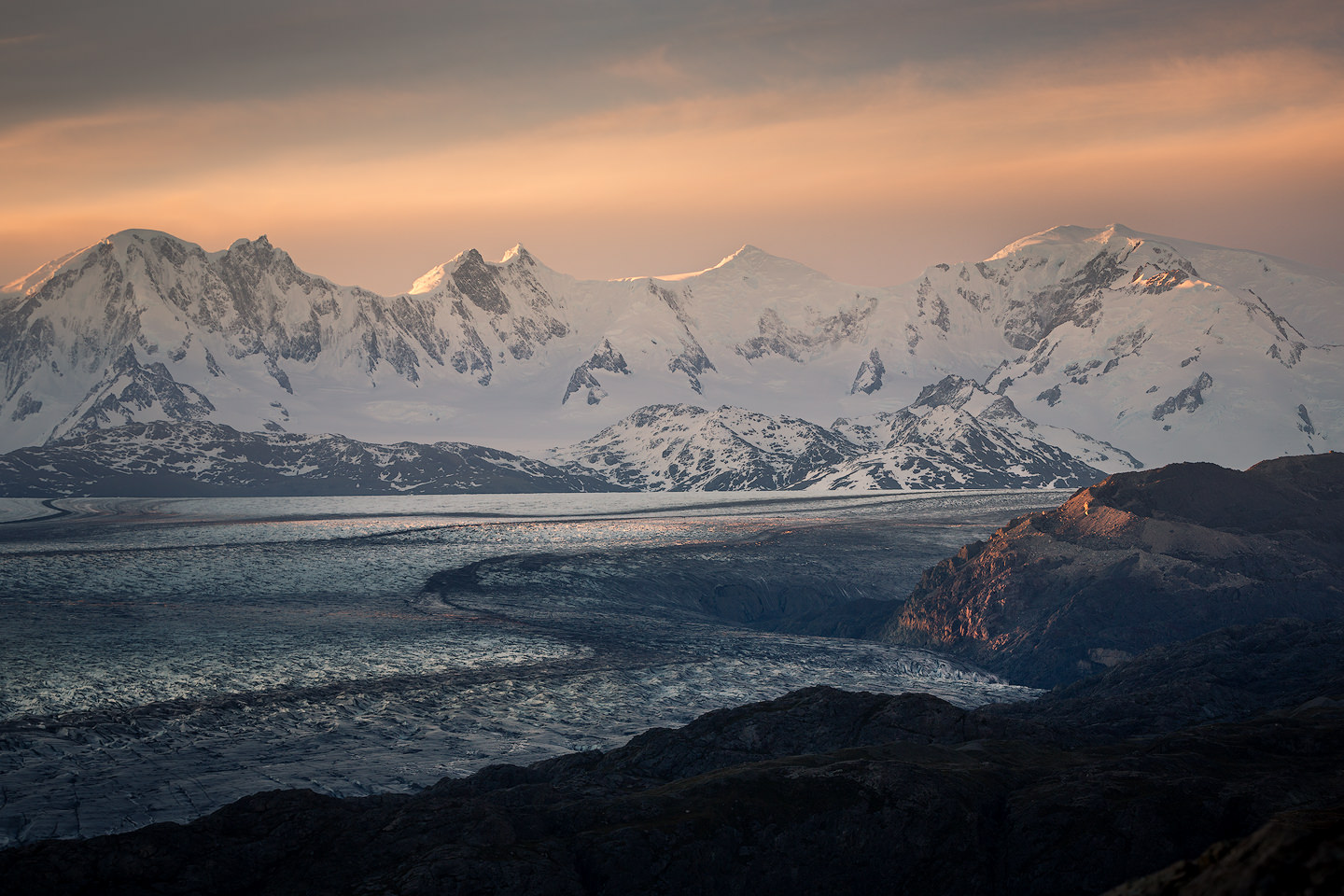
Going south, the range narrows and the character shifts entirely. The dry volcanic peaks of the northern and central Andes give way to the heavily glaciated massifs of Patagonia, where the Southern and Northern Patagonian Ice Fields feed glaciers that calve directly into fjords and lakes.
Seven countries share the Andes, each offering a radically different photographic landscape: equatorial cloud forests in Colombia and Ecuador; the glacier-draped peaks of Peru and Bolivia; the stark volcanic geometry of the Chilean and Bolivian Altiplano; and the granite spires and immense glaciers of Argentine and Chilean Patagonia.

The Andes
Quick Info
The world’s longest continental mountain range, running along South America’s western edge through seven countries — from Venezuela to Tierra del Fuego. The Andes span every major climate zone: the tropics in the north, the arid high-altitude Altiplano at the center, and the temperate rainforests and wind-scoured granite of Patagonia in the south.
Facts
- Length: ~7.000km
- Highest Peak: Aconcagua
- max. Elevation: 6,967 m
Location
- Continent: South America
- Countries: Argentina, Bolivia, Chile, Colombia, Ecuador, Perú, Venezuela
Additional Information:
Sub-Ranges & Zones
The Andes are better understood as a family of ranges than a single chain, each with its own elevation profile, climate, and photographic character.
In Colombia, the Sierra Nevada del Cocuy is the northernmost of the high glaciated Andes — a compact range of jagged peaks above 5,000 meters rising from the eastern lowlands. Further north, the isolated Sierra Nevada de Santa Marta holds the world’s highest coastal mountain system, entirely separate from the main Andean chain.
In Peru, the Cordillera Blanca is the highest tropical mountain range on earth and among the most photographed — a 200-kilometer arc of glaciated peaks anchored by Huascarán (6,768 m), accessible from the city of Huaraz. To the south, the Cordillera Huayhuash is a tighter, more remote range — a horseshoe of near-vertical ice faces forming one of the great trekking routes on the continent. Also in Peru, the sacred ice range of the Cordillera Vilcanota rises above the Inca heartland south of Cusco, home to Ausangate (6,384 m) and the terrain around Vinicunca, the “Rainbow Mountain”.
The volcanic western wall of the Cordillera Occidental defines the Chilean-Bolivian border along the western edge of the Altiplano — a chain of stratovolcanoes, many above 6,000 meters and several still active, rising with near-perfect symmetry above the salt flats. To the east, the Bolivian Cordillera Real carries Huayna Potosí (6,088 m) above La Paz in one of the most iconic Andean skylines.
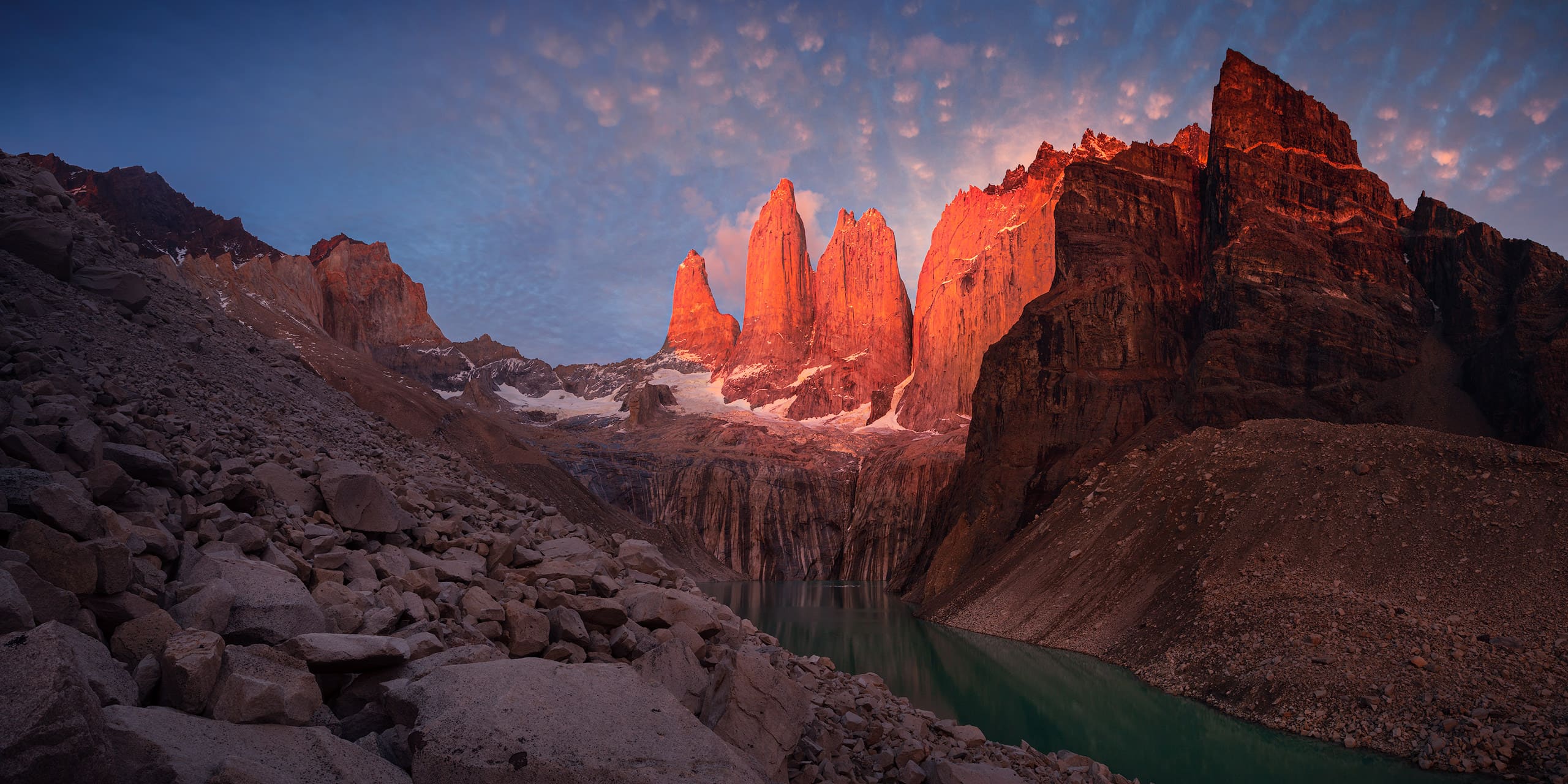
The granite spine of the Cordillera Patagónica carries the deep south from Monte San Lorenzo to the end of the continent. Within it, the Cordillera Paine is a compact massif of improbable towers — geologically distinct from the surrounding range, visually extraordinary, and the defining image of Patagonia for much of the world.
Highest Peak
The Andes hold more summits above 6,000 meters than any range outside Asia, but elevation and technical difficulty rarely align here: the highest summit in the Western Hemisphere is a straightforward walk at altitude, while some of the range’s most celebrated peaks barely clear 3,000 meters.
Aconcagua — 6,967m
At 6,967 meters, Aconcagua is the highest summit in both the Western and Southern Hemispheres — the highest peak outside of Asia. It rises in the Argentine Andes near Mendoza, accessible via the Horcones Valley. Despite its extreme elevation, Aconcagua is a non-technical climb via the normal route, making it the most-attempted extreme-altitude mountaineering objective in the world.
Other Notable Peaks
But the Andes are home to hundreds of summits above 6,000 meters and many other peaks that stand out — not only visually. Ojos del Salado (6,893 m) on the Chile-Argentina border is the world’s highest active volcano. Huascarán (6,768 m) is the centrepiece of the Cordillera Blanca and the highest peak in Peru. Yerupajá (6,634 m) in the Cordillera Huayhuash is one of the most technically demanding summits in South America. Sajama (6,542 m) in the Cordillera Occidental is Bolivia’s highest peak, a near-perfect volcanic cone rising from the Altiplano.

In Patagonia, the granite colossus of Fitz Roy (3,405 m) and Cerro Torre’s disputed spire (3,128 m) rank among the world’s most technically demanding climbs — their relatively modest elevation amplified by near-vertical relief from the Patagonian steppe. The remote Monte San Lorenzo (3,706 m) is the second highest peak in Patagonia, prominent, but rarely photographed. The Torres del Paine (2,850 m) and the Cuernos del Paine (2,251 m) on the other hand are low by Andean standards but among the most visited mountains on the planet.
Ecuador’s volcanic corridor — known as the Avenue of the Volcanoes — lines up some of the world’s most striking cones: Chimborazo (6,268 m, the summit farthest from the earth’s centre), Cotopaxi (5,897 m, one of the world’s highest active volcanoes), and several others visible from a single vantage point.
Hiking & Expeditions
The Andes offer some of the world’s most varied long-distance trekking — from well-serviced circuits in Torres del Paine to genuinely remote high-altitude routes that require weeks of acclimatisation.
In Peru, the Inca Trail to Machu Picchu remains the Andes’ most iconic cultural trek — four days through cloud forest, over high mountain passes, and alongside Inca ruins to one of the world’s great archaeological sites. For high-altitude terrain, the Cordillera Blanca’s Santa Cruz Trek and Laguna 69 are among the most visited routes in South America. The Huayhuash Circuit circumnavigates an impressive range over 8–12 days, crossing six passes above 4,800 meters within the Zona Reservada Cordillera Huayhuash.
In Patagonia, the Torres del Paine W Trek is the most-travelled route in the southern Andes — a 5–7 day circuit visiting the Torres, the Valle Frances, and Lago Grey. More rewarding for photographers willing to extend their stay are sunrise and sunset from the trails around El Chaltén, the small Argentine village that serves as base camp for the Fitz Roy massif within Los Glaciares National Park. There, on the southern edge of the Patagonian Ice Field, the Circo de los Altares expedition is a multi-day crossing of one of the most remote glacial landscapes on earth.
Parque Nacional El Cocuy in Colombia offers high-altitude circuits through the Sierra Nevada del Cocuy at a fraction of the logistical complexity of Peru or Patagonia — a largely overlooked Andean trekking destination.
Landscape Photography in the Andes
The Andes’ extraordinary length means almost every photographic condition exists somewhere within them — but each zone has its own logic, its own weather, and its own best season.
Northern Andes
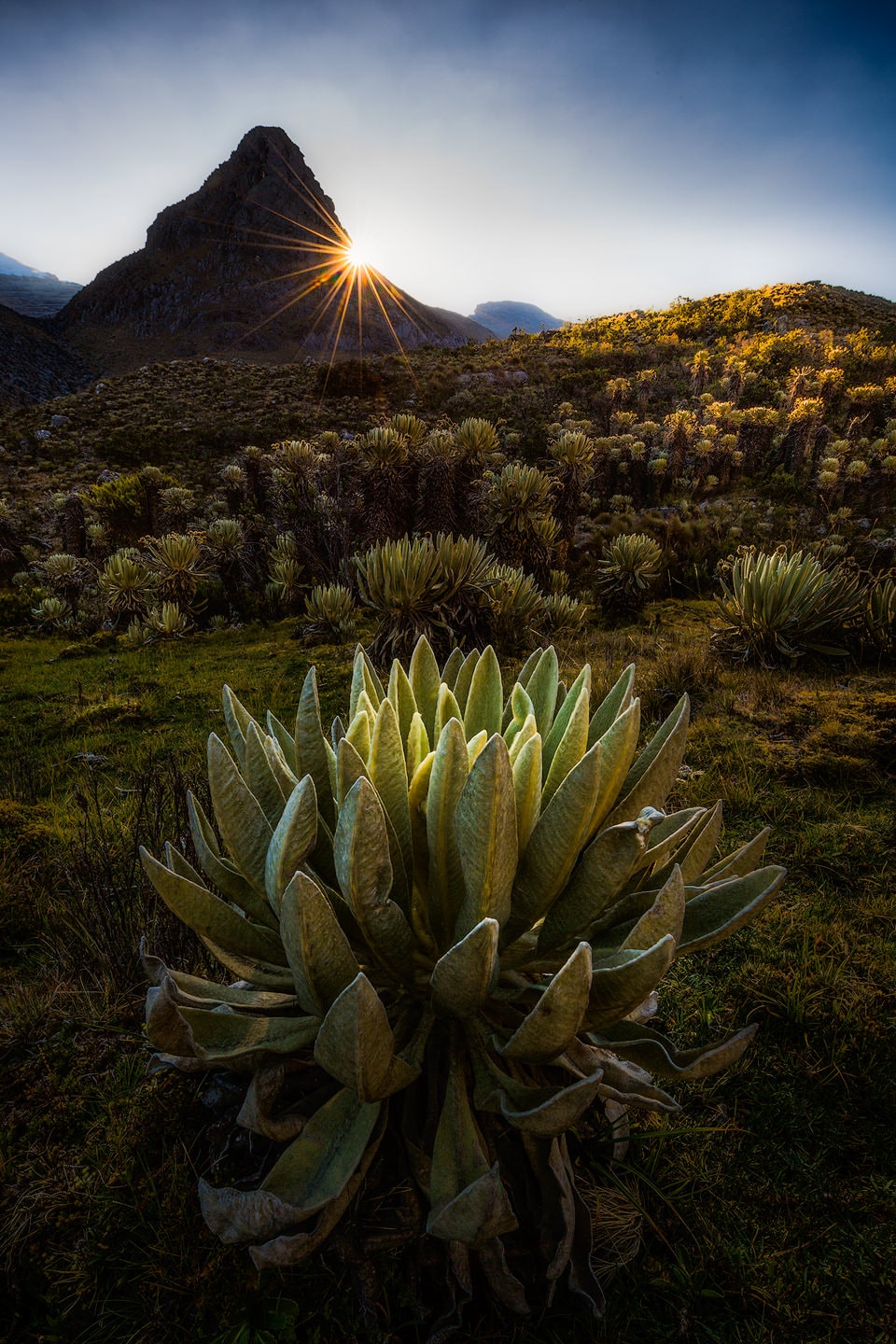
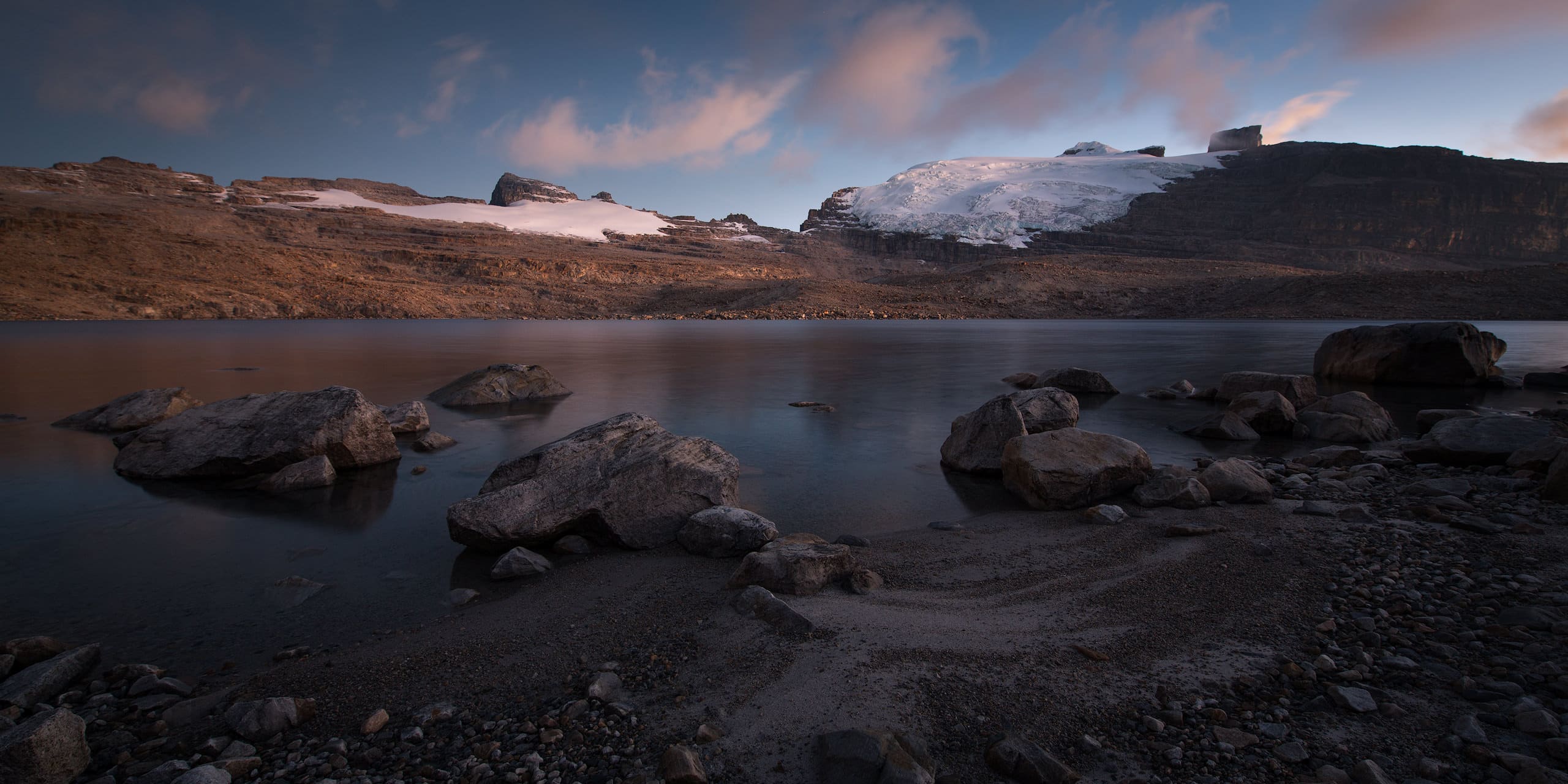
The northern Andes — Colombia, Ecuador, and Venezuela — are the least-photographed section of the range among international photographers, despite extraordinary terrain. In Colombia, the Sierra Nevada del Cocuy rises above 5,000 meters over the eastern lowlands; Parque Nacional El Cocuy offers accessible high-altitude circuits with very few international visitors. The páramo grasslands that connect these peaks are among the most distinctive and least-documented landscapes in the Andes.
Perú
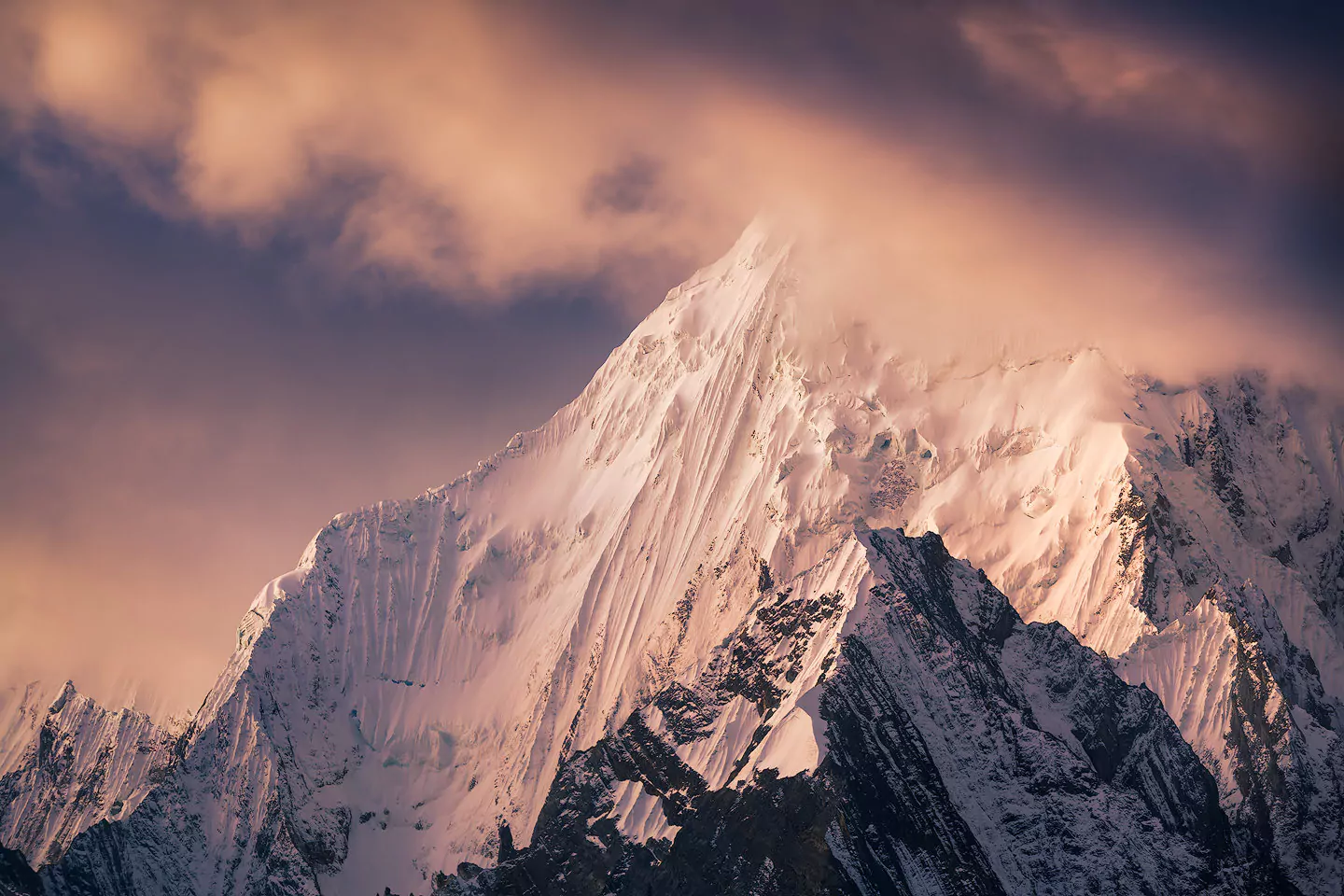
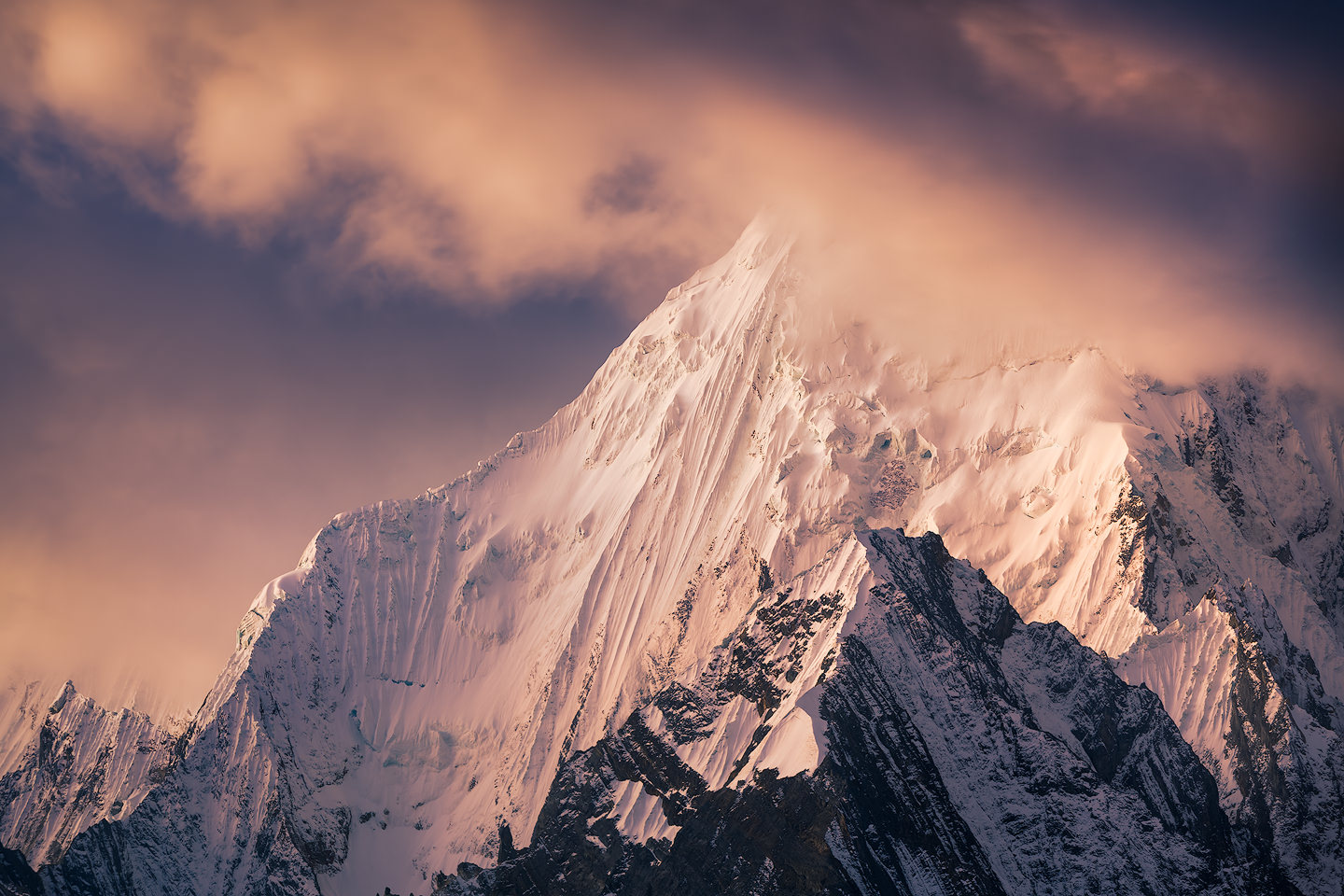
The Cordillera Blanca is the most accessible high-altitude photography destination in the Andes — Huaraz is a straightforward base, the trails are well-established, and the proximity of multiple 6,000 m peaks offers consistent subject matter. The dry season (May–September) brings reliable visibility and dramatic afternoon cloud build-up. The Huayhuash Circuit is a more demanding proposition — but the ice faces of the Cordillera Huayhuash offer a scale and remoteness the Blanca no longer quite matches. Further south, the Cordillera Vilcanota crosses some of the most colour-saturated high-altitude terrain in South America — mineral lakes, glacier tongues, and wetland meadows that feel unchanged since before the Inca.
Altiplano
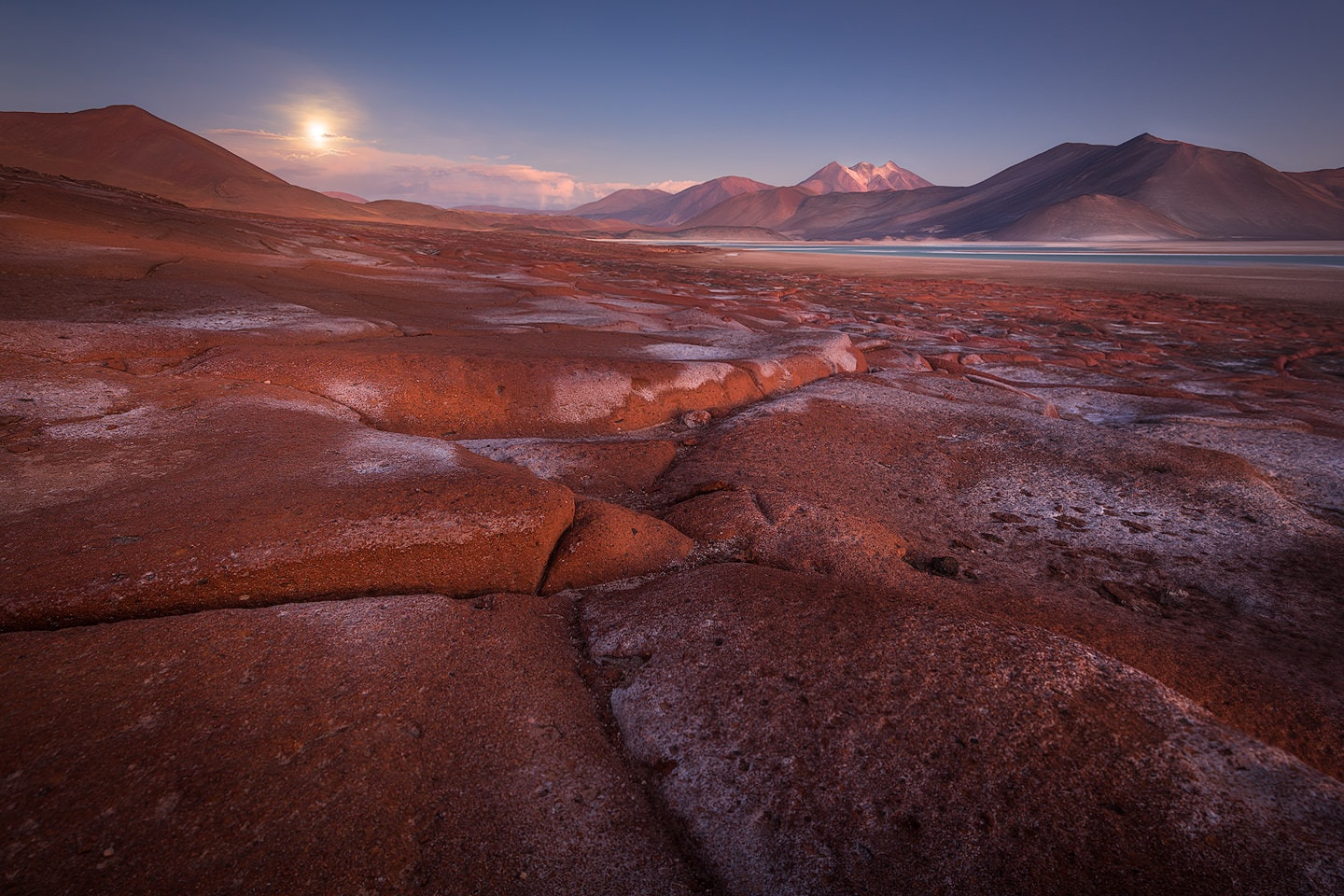
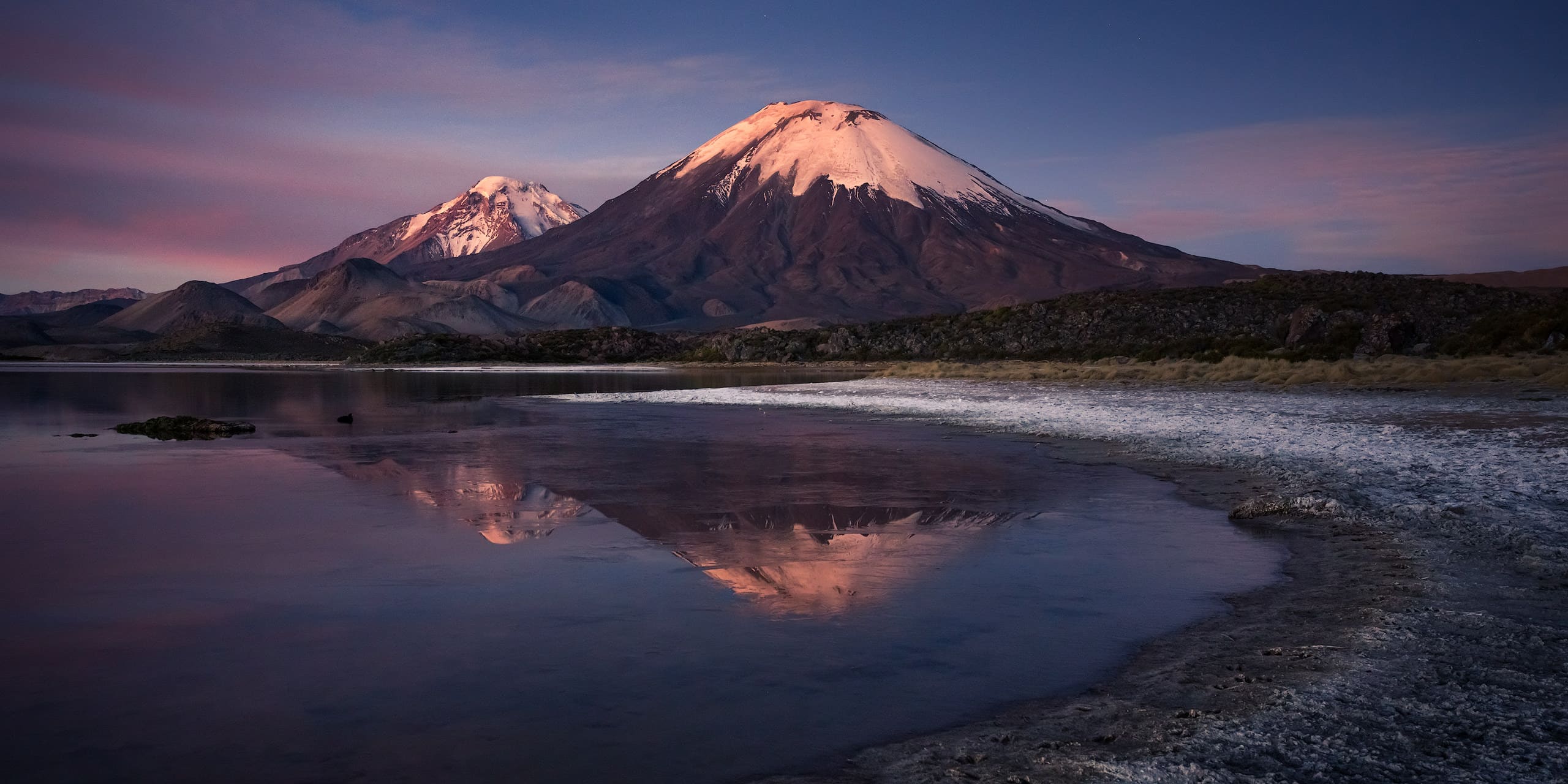
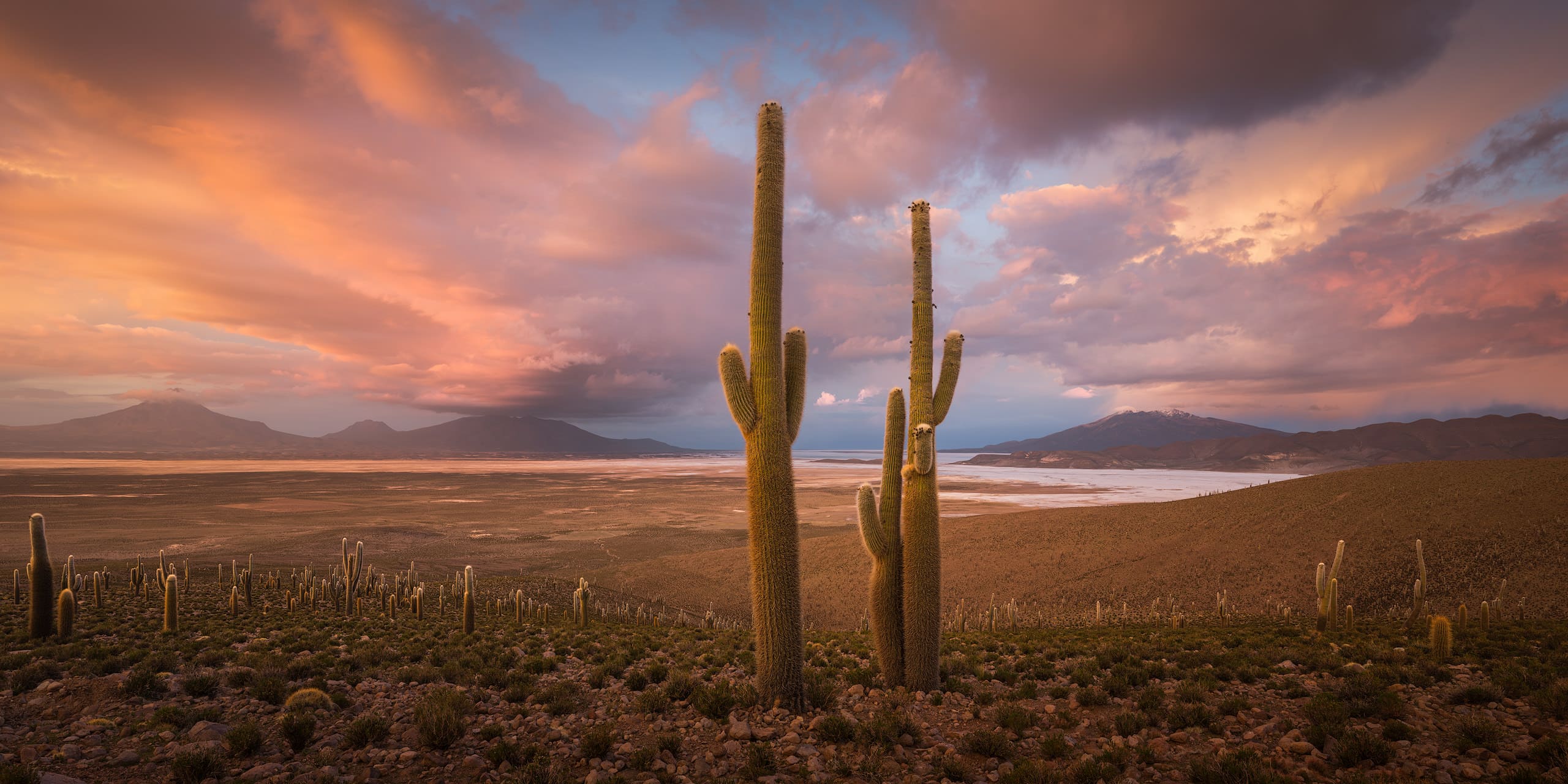
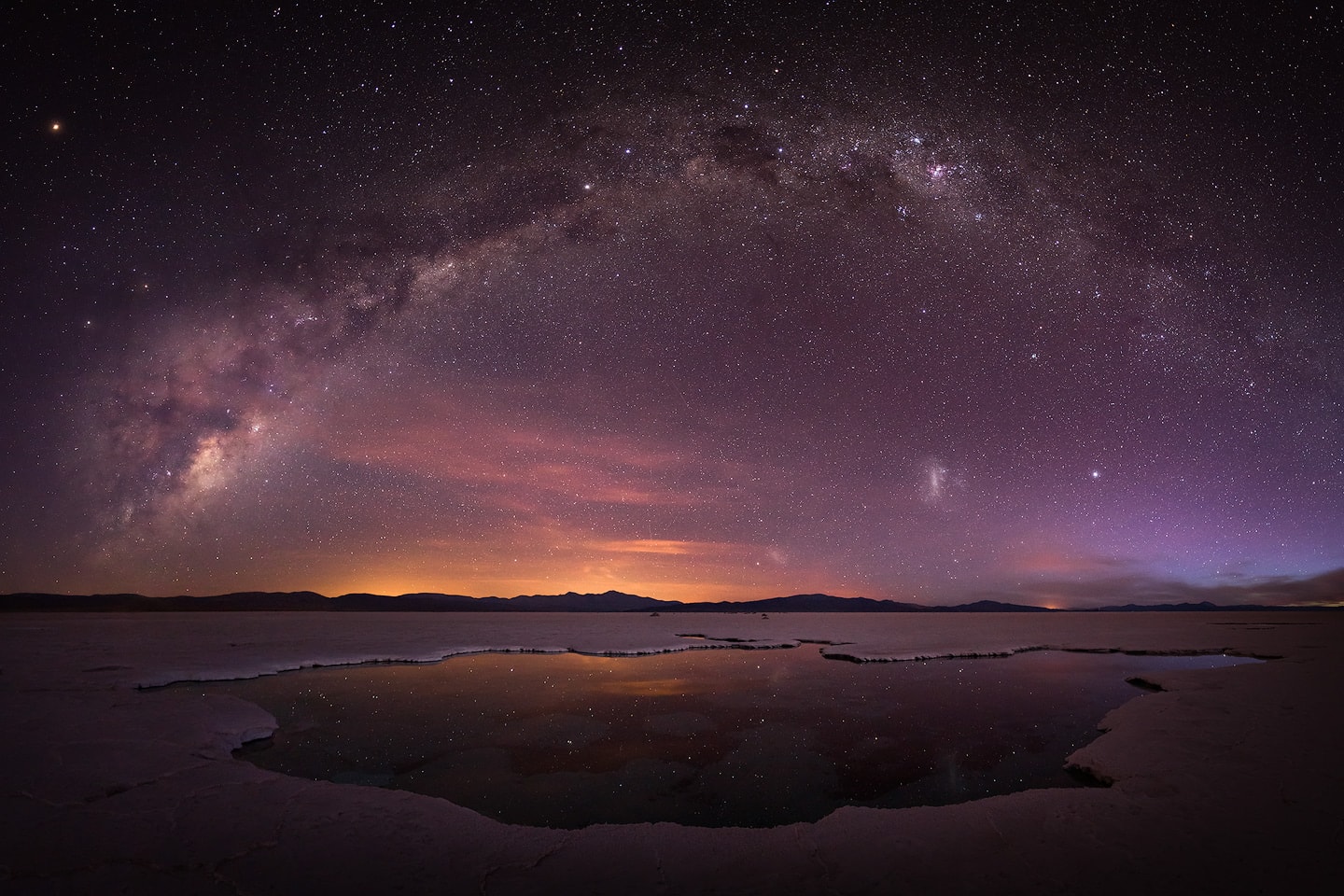
The Altiplano and the Cordillera Occidental operate on entirely different terms. At 3,800–4,500 meters, the air is thin and luminous, the landscape almost geometric in its severity. Volcanic cones rise above salt flats with near-perfect symmetry; dawn light at altitude carries a quality unavailable at lower elevations. After a Bolivian winter storm, that light turns disruptional — as I witnessed in these post-storm conditions at Salar de Surire. On calmer nights, it becomes still and calm — letting you soak in a moonrise above Piedras Rojas.

Patagonia
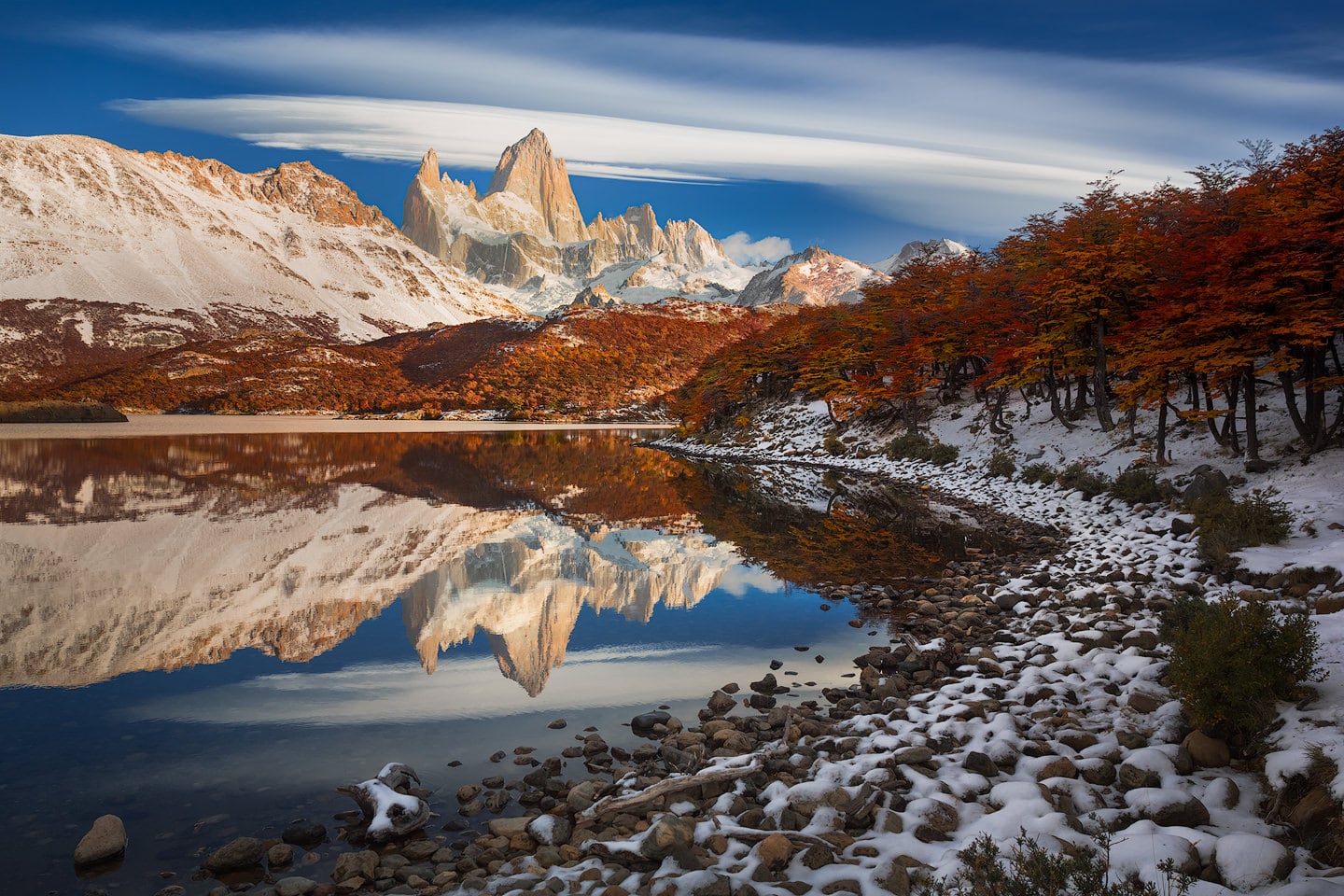
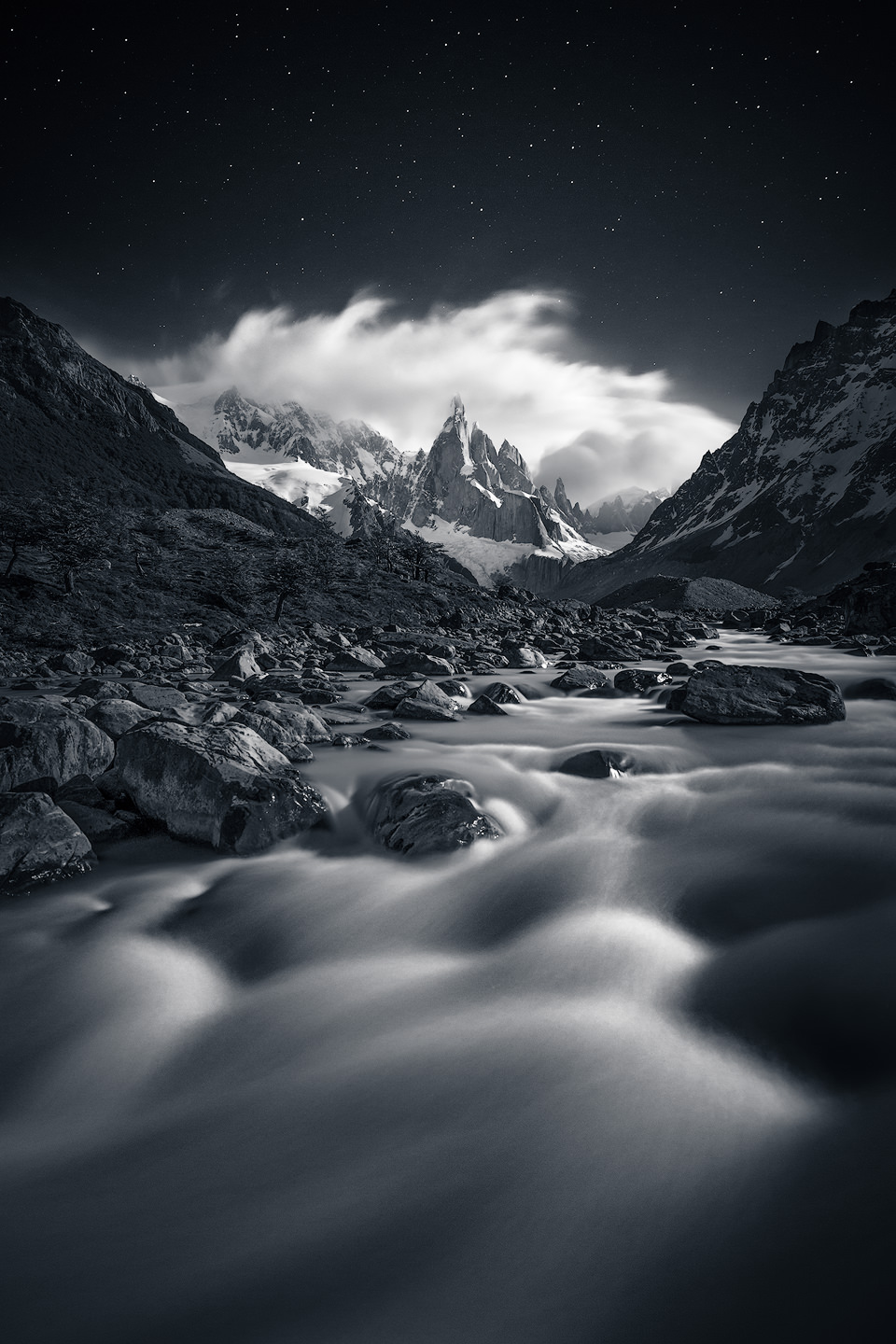
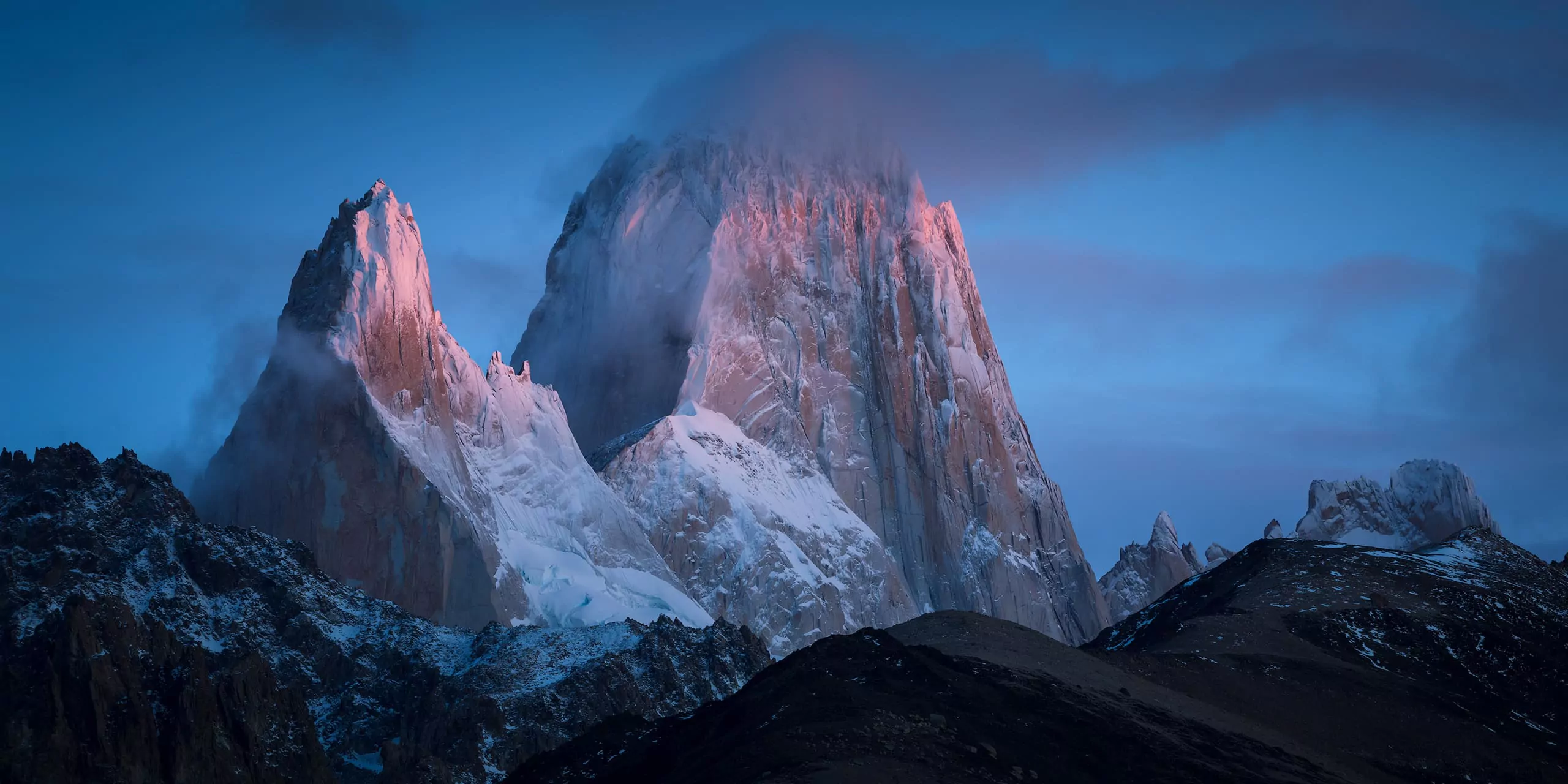
Patagonia is defined by weather. Wind, cloud, and precipitation dominate the schedule, and the light — when it comes — arrives on its own terms. Night photography at Cerro Torre requires setting up camp in Parque Nacional los Glaciares. Fitz Roy from Mirador de los Cóndores can catch full alpenglow in the morning — and there’s always the chance that you might capture something unique. See the Cerro Torre and Fitz Roy mountain pages for timing, access, and specific viewpoints.

Across the border in Chile, the Cordillera Paine anchors Parque Nacional Torres del Paine — a wider, more open landscape than El Chaltén, where the Torres and Cuernos del Paine preside over lakes, glaciers, and Patagonian steppe in a single frame. The light here tends toward the grand: dawn reflections on Lago Pehoé, the colour that builds behind the Cuernos before sunrise, and the particularly intense quality that settles across the park when the wind drops and the cloud breaks slowly. The Torres del Paine W Trek covers the most photogenic terrain in five to seven days — long enough to wait out at least one change in conditions.
Tierra del Fuego
At the southern tip of the continent, Tierra del Fuego marks where the Andes finally meet the sea. The mountains here are lower and more weathered — ancient granite shaped by glaciation into a landscape of channels, sub-Antarctic forest, and islands that dissolve into the Drake Passage. The light at these latitudes has a distinctly polar quality in summer: low, long, and golden for hours around the solstice. It remains one of the most open frontiers in Andean photography.
Image Gallery
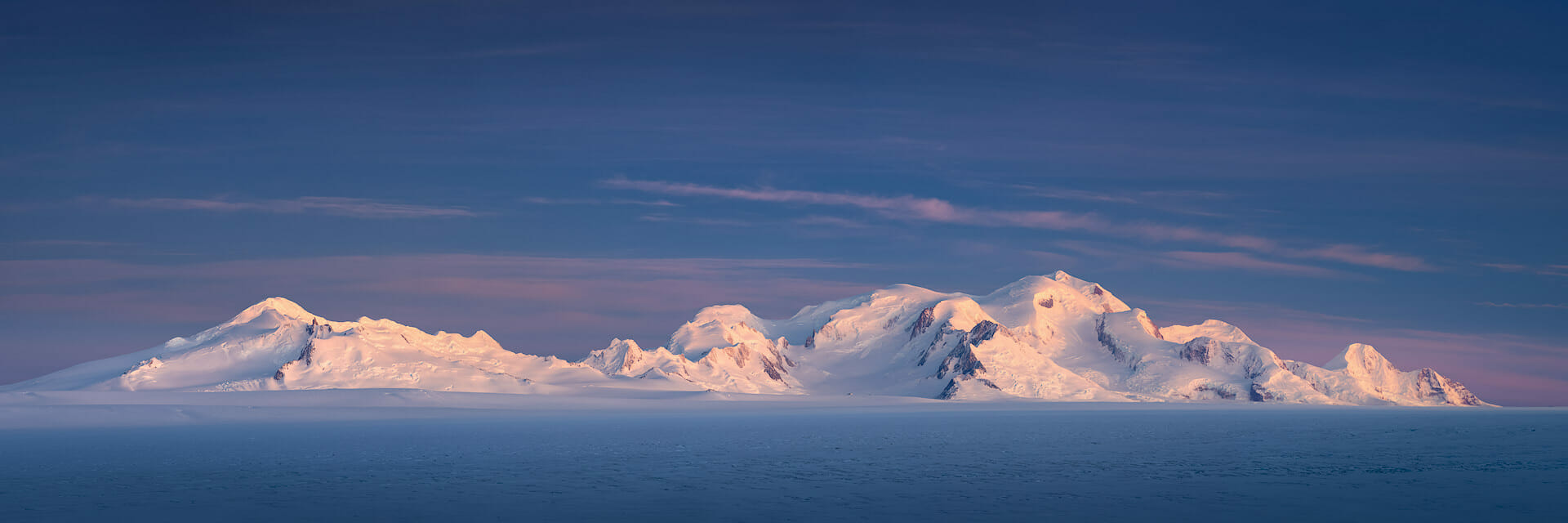
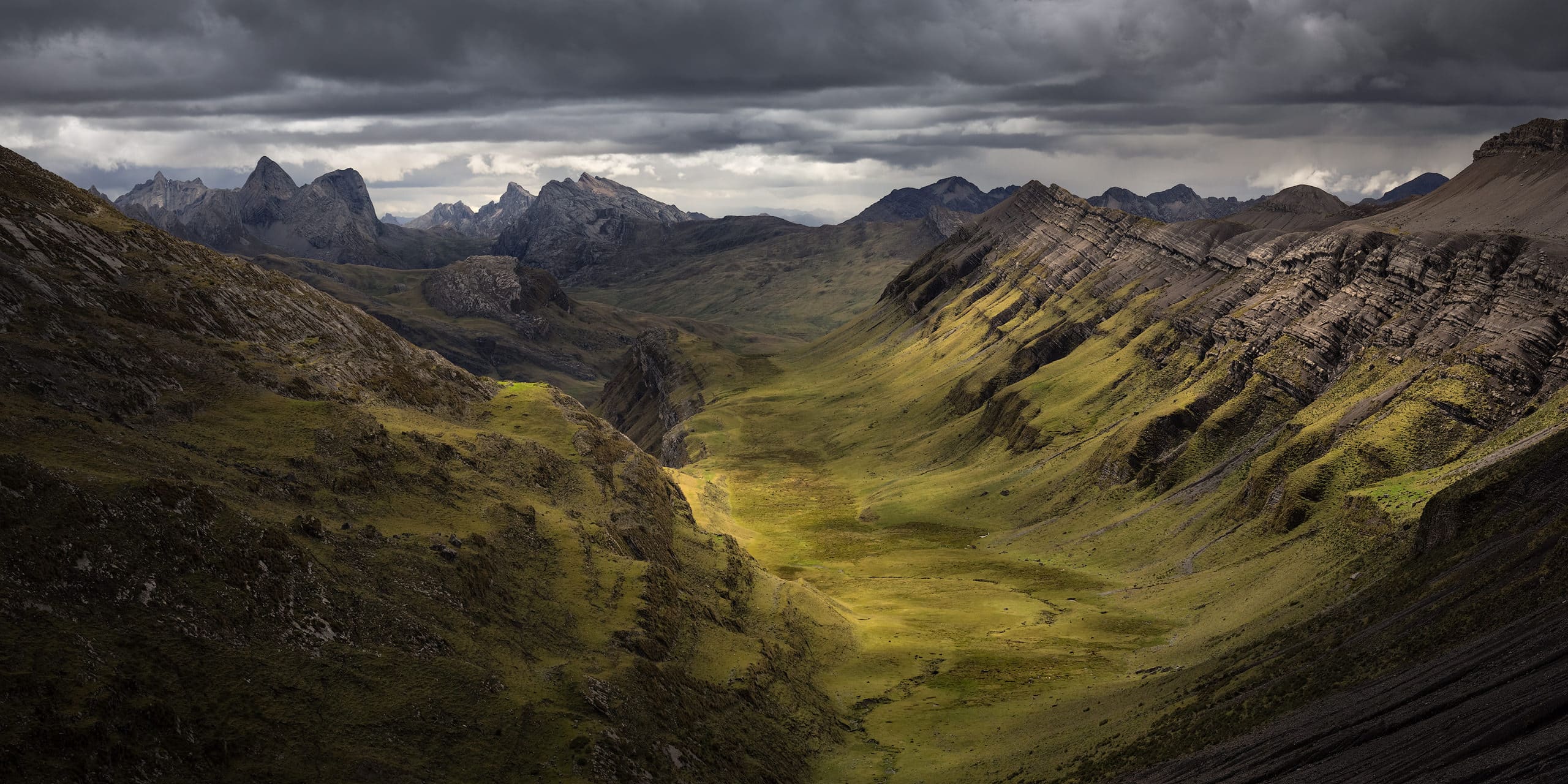
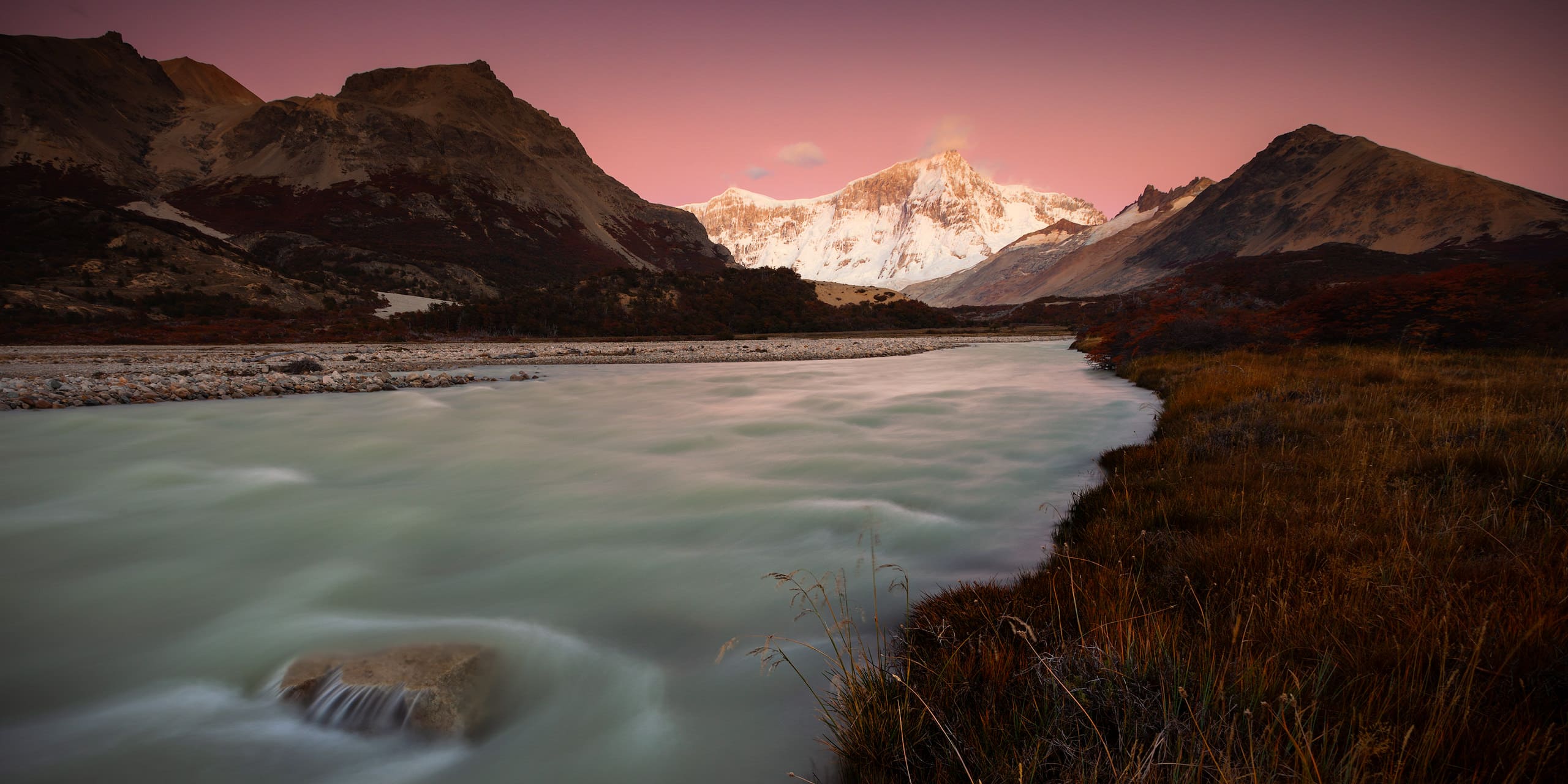
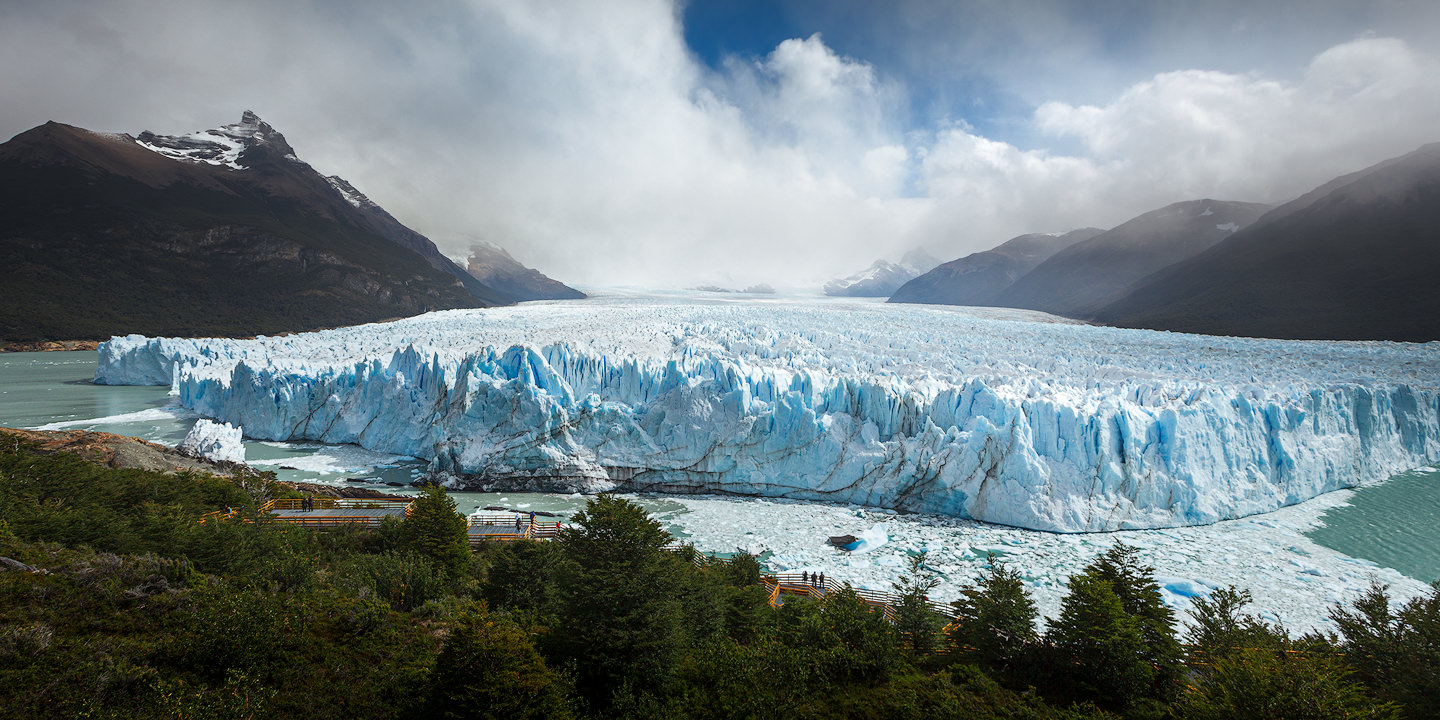
From the granite spires of Patagonia to the luminous stillness of the Altiplano — a selection of landscape photographs made across the Andes over multiple expeditions.

Explore the Andes!
Much of the photography on this site was made in the Andes — across multiple expeditions spanning Patagonia, the Altiplano, and the high ranges of Peru. The image articles and field reports below follow those journeys in detail, from single photographs with their own story to multi-day expeditions into some of the most remote terrain on earth.

When we boarded our plane to Colombia we were considerably more excited than usual (for obvious reasons) but despite it’s questionable reputation as a tourist…
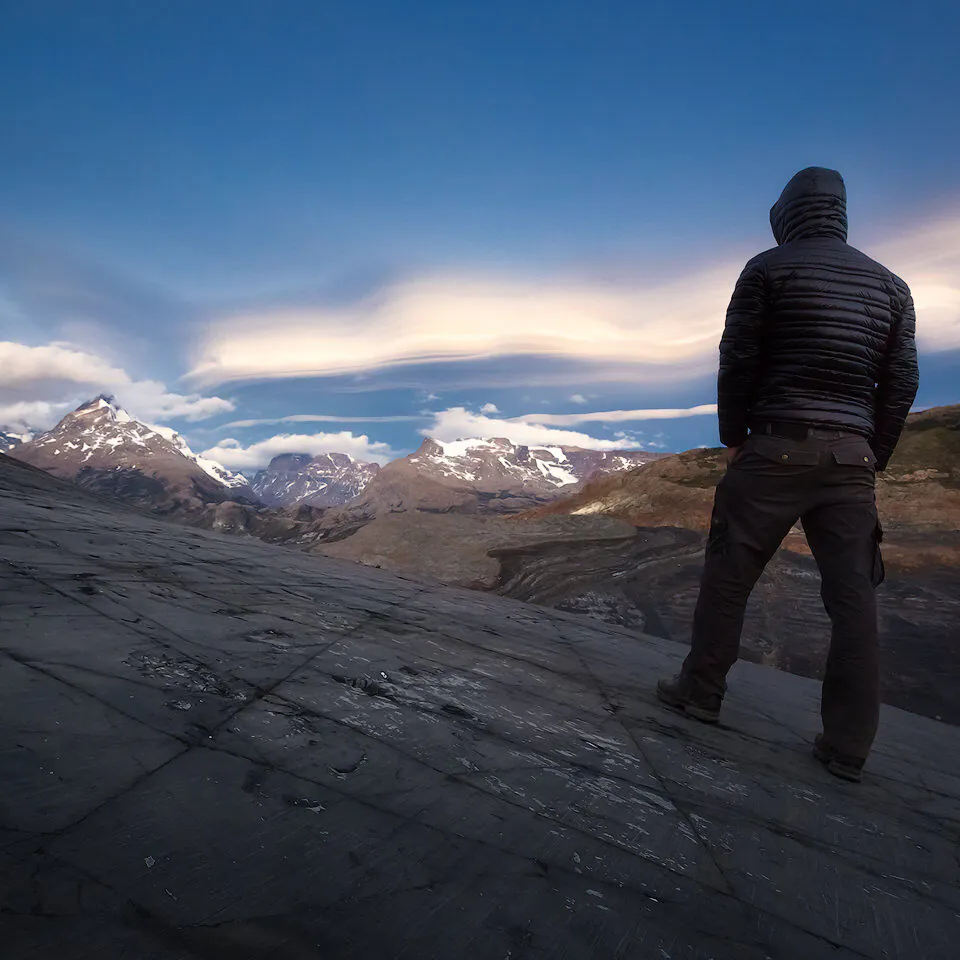
31st of December. Top-Of and Best-Of lists all over the social webs – you’ve probably seen enough of these. Still, this is the time to look back at the past…

Yesterday I finally had the chance to watch the critically acclaimed documentary “Chasing Ice” in which environmental photographer James Balog sets up 25…

The last news about Patagonia that made it into austrian newspapers was when a tourist accidentially set Torres del Paine National Park on fire in December…


I have travelled through Patagonia quite a lot and the rugged landscapes have been a huge inspiration for me. But even in a place were beauty is abundant you…




Nothing found.
Nothing found.
Nothing found.